

GLP1 Patches Comparison Guide
GLP1 patches (as referenced on this site) are non-prescription wellness patches that typically list botanical or cosmetic-style ingredients on the label and use a simple peel-and-stick format. This page helps you compare popular “GLP-1 patch” products side by side so you can quickly scan packaging, ingredient presentation, and basic usage notes before visiting individual product pages.
Quick note: This is a comparison of labels, packaging, and general product presentation. It is not medical advice and these are not prescription GLP-1 medications.
Compare Popular GLP-1 Patch Products
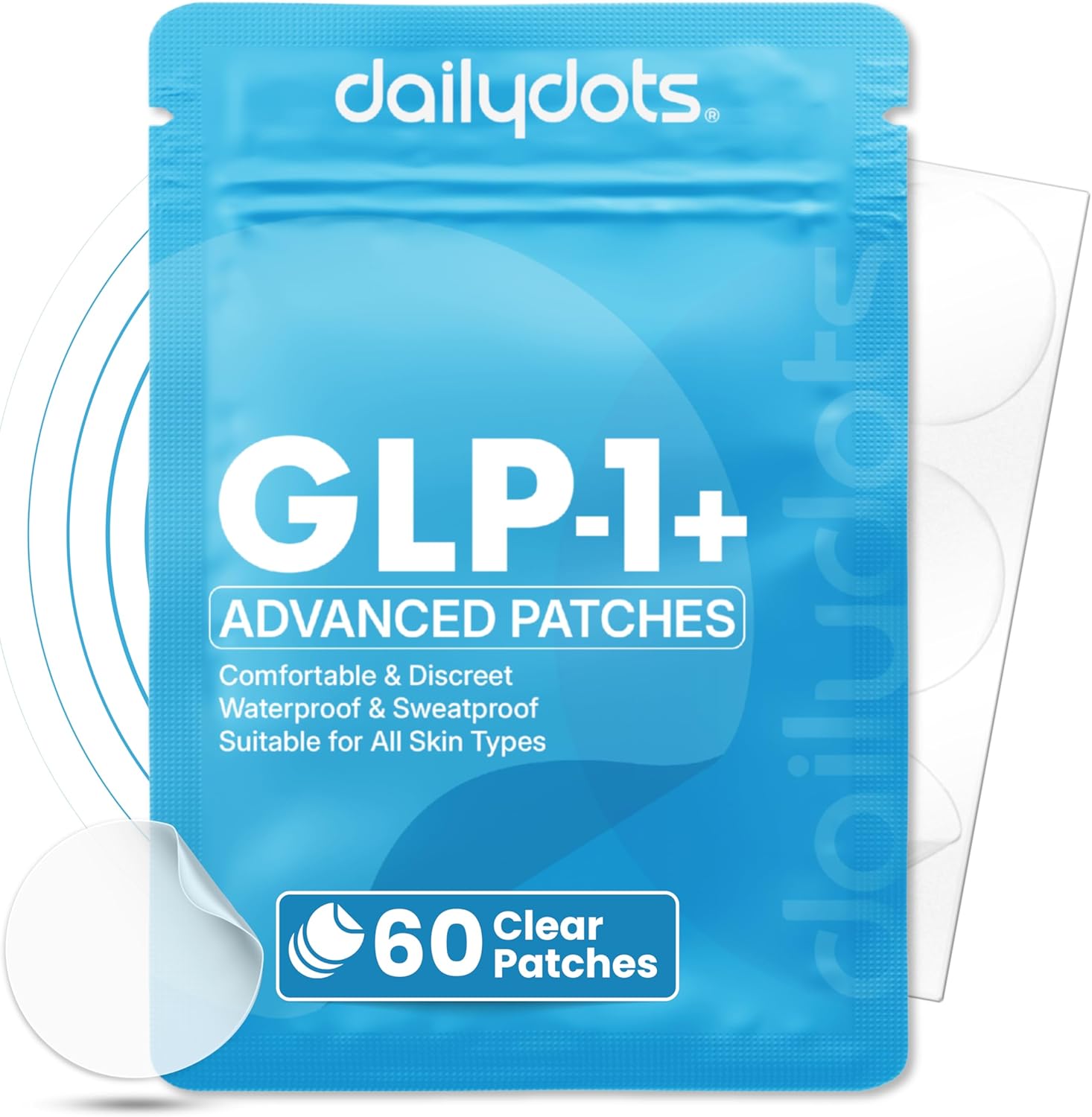
DailyDots GLP-1 Patches
DailyDots uses bright packaging and a straightforward once-per-day patch routine with a clearly printed ingredient panel.
View Details See on Amazon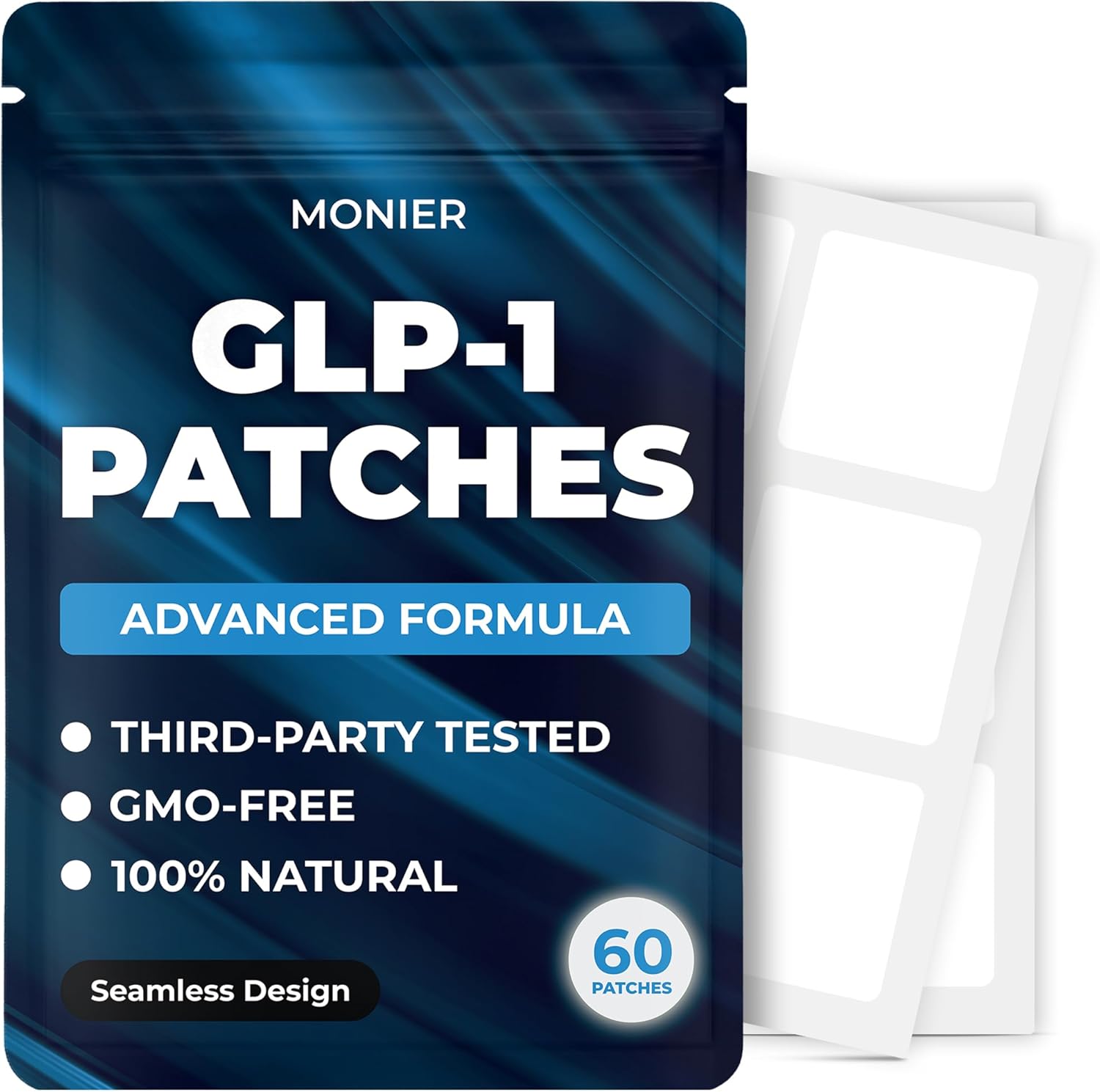
Monier GLP-1 Patches
Monier takes a minimal approach, with simple labeling and a botanical blend that is easy to scan on the back of the box.
View Details See on Amazon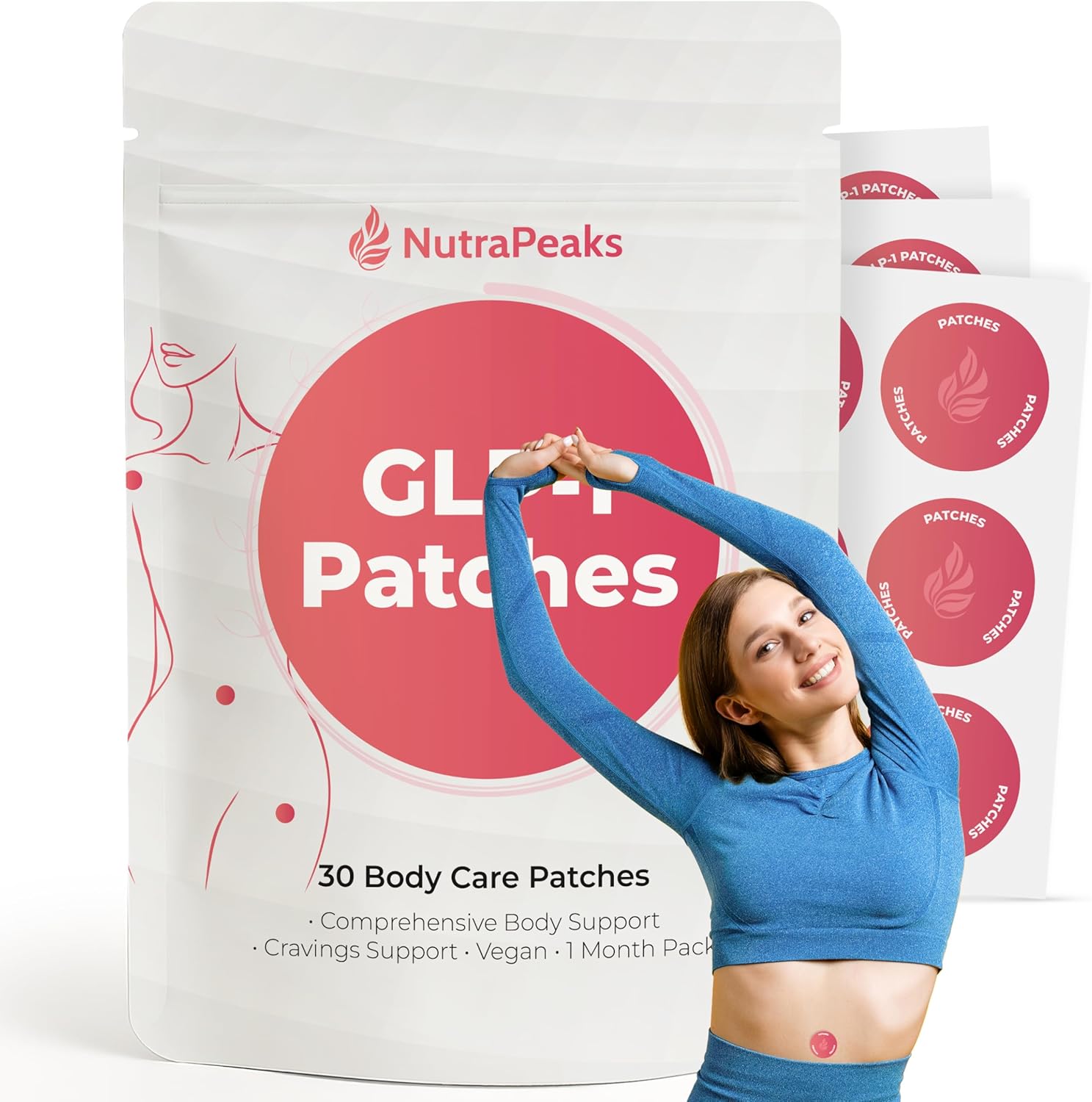
NutraPeaks GLP-1 Patches
NutraPeaks comes in pouch-style packaging and focuses on a flexible wear format with a clearly outlined botanical combination.
View Details See on Amazon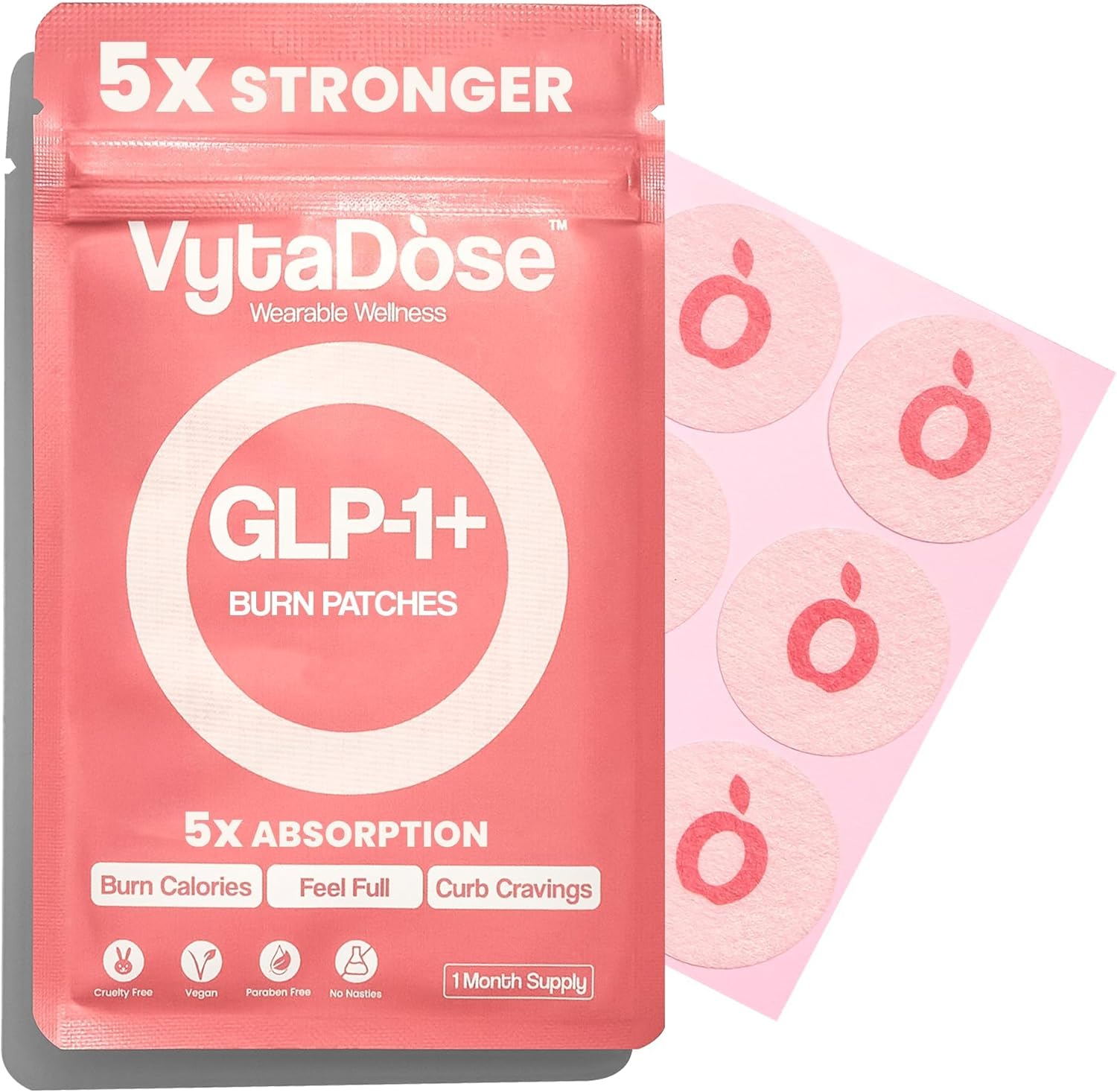
VytaDose GLP-1 Patches
VytaDose uses a box-style presentation with plant-focused branding and once-daily patch usage highlighted on the label.
View Details See on Amazon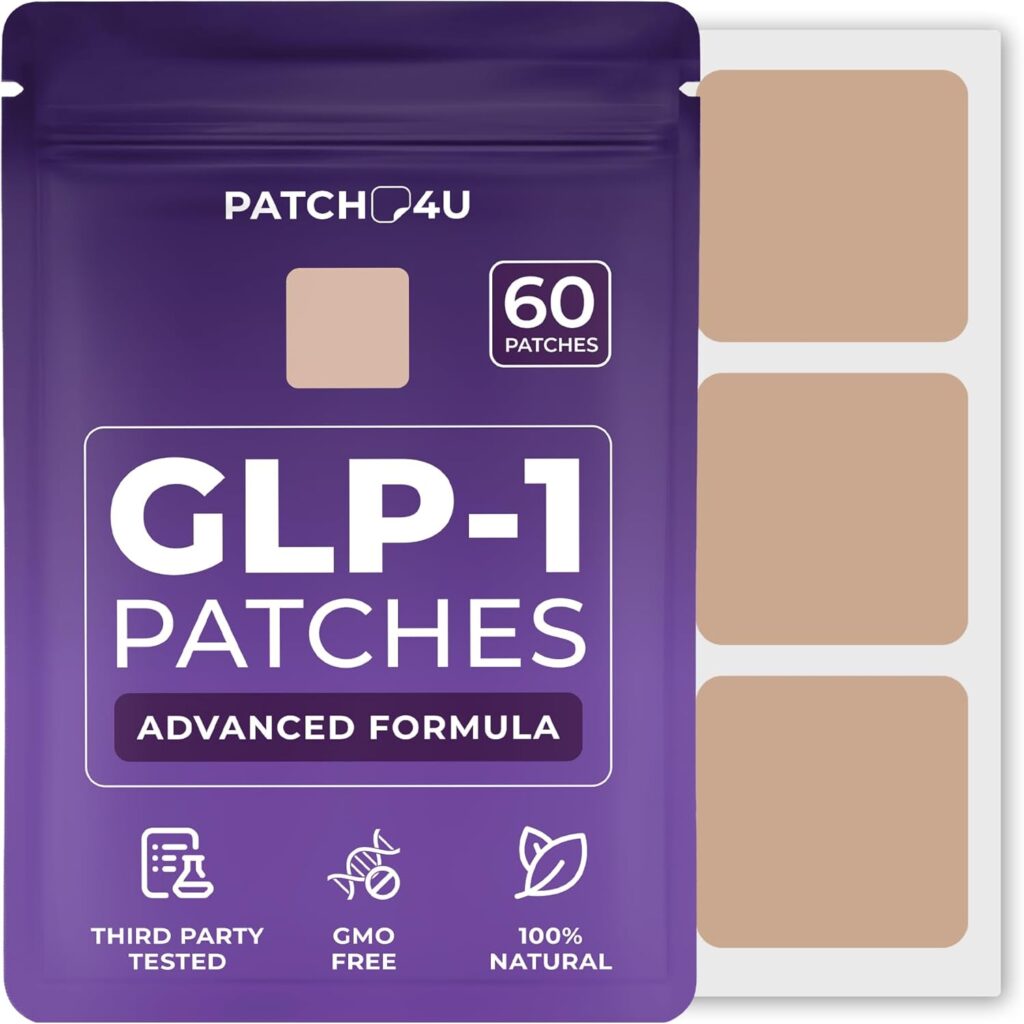
Patch4u GLP-1 Patches
Patch4u offers a larger 60-patch pack with a clear ingredient listing and an easy peel-and-stick design meant for simple daily wear.
View Details See on AmazonGLP-1 Patches at a Glance
The table below summarizes packaging notes, label styles, and ingredient presentation across several GLP-1 patch brands so you can quickly compare how each product is arranged.
| Brand | Label / Packaging Notes | Ingredient Style | More Details |
|---|---|---|---|
| DailyDots | Colorful label with a simple once-daily routine. | Botanical blend panel on the packaging. | View product |
| Monier | Clean, minimal box with straightforward artwork. | Botanical ingredient listing on the label. | View product |
| NutraPeaks | Pouch style focused on flexible application. | Combination of botanicals listed on the back. | View product |
| VytaDose | Box-style layout with once-per-day guidance. | Plant-focused ingredient blend. | View product |
| Patch4u | 60-count pack with clear front and back labels. | Botanical blend panel highlighted in the artwork. | View product |
How to Compare GLP1 Patches
When comparing GLP1 patch products, it helps to review the same core details each time. Most “GLP-1 patch” listings share a similar idea (a daily adhesive wellness patch), but brands vary in how clearly they present ingredients, how they describe directions, and how their packaging is organized.
- Patch quantity: Some brands provide 30-patch packs, while others offer 60 or more patches per box or pouch.
- Directions clarity: Look for straightforward “wear time” and “replace frequency” instructions that are easy to follow.
- Ingredient panel readability: A clean, legible label makes comparisons faster—especially when you’re scanning multiple brands.
- Patch size and shape: Square vs rounded formats can feel different during everyday movement and clothing changes.
- Packaging format: Boxes, pouches, and card sets store patches differently and may affect travel convenience and organization.
What a “good” label usually includes
- A complete ingredient list (not just marketing names).
- Basic usage directions written in plain language.
- A patch count (how many patches per pack).
- Brand/manufacturer details or customer support info.
If any of this is missing or hard to find, it simply makes comparisons harder—so it’s worth noting.
What to avoid relying on
- Overly bold promises that aren’t explained on the label.
- Vague “proprietary blends” with no amounts or clarity.
- Before/after style claims without clear context.
- Confusing directions that change between listings.
This page focuses on packaging/label presentation so you can decide what’s worth investigating further.
Ingredient Label Style (What You’re Really Comparing)
A lot of people compare “ingredients” first, but the most practical comparison is often how the ingredient information is presented. Some brands make it easy to scan the botanical blend panel at a glance, while others tuck details into smaller print, inserts, or secondary images.
- Clear list format: Ingredients appear in a simple list with consistent naming.
- Grouped blends: Ingredients are bundled under a blend name, sometimes with less detail.
- Front vs back labeling: Some products highlight ingredients on the front; others reserve details for the back panel.
- Image match: Product photos should match what the text claims (same brand, same label style).
Tip: When you click into any product page on this site, compare the label image to the written summary. If they align, you can trust the page is describing the same packaging shown.
Wear & Care Basics (General Patch Handling)
Most wellness patches are meant to be used on clean, dry skin according to the brand’s directions. While each product may differ, these simple handling habits make it easier to use adhesive patches consistently and keep them from peeling early.
- Clean surface: Apply to clean, dry skin (avoid lotions right before application, unless the label says otherwise).
- Comfort & placement: Common areas include the outer arm, thigh, hip, or abdomen—choose a spot that won’t constantly rub.
- Storage: Keep patches sealed and stored as the packaging suggests (cool/dry is common for many wellness products).
- Skin sensitivity: If irritation occurs, discontinue use and follow the brand’s guidance; consider a small “trial” placement first.
What GLP1 Patches Are
In this guide, “GLP-1 patches” refers to non-prescription adhesive wellness patches that feature botanical ingredient listings and are designed for routine wear based on label directions. Each manufacturer chooses its own ingredient panel, branding style, colors, and packaging type.
What GLP-1 Patches Are Not
These adhesive wellness patches are not prescription GLP-1 medications and do not contain prescription GLP-1 drugs. They are not medical treatments and should not replace care from a licensed health professional or any therapy prescribed by your doctor.
GLP-1 Patch FAQ
No. The products compared on this page do not contain prescription GLP-1 ingredients.
No. Prescription GLP-1 medications are drugs prescribed by a clinician. The products on this site are non-prescription wellness patches with their own ingredient panels.
Many brands suggest wearing a patch for a full day before replacing it with a new one, but you should always follow the specific instructions printed on each label.
Commonly suggested areas include the outer arm, thigh, hip, or abdomen, depending on the brand’s directions and comfort preferences.
Compare patch count, label clarity, ingredient layout, packaging style, and the simplicity of usage directions so you can choose the option that fits your routine.
Not necessarily. For comparisons, the most helpful thing is whether the ingredient panel is clear, consistent, and easy to verify against the packaging images.
For a neutral overview of adhesive patch formats in general, you can read more about transdermal patches.