

Best Places To Put GLP1 Patches
This guide explains the best places to put GLP1 patches based on common label instructions and everyday comfort. Many shoppers use DailyDots GLP1 patches as a baseline patch when they first experiment with different placement areas on the arm, abdomen, or thigh.
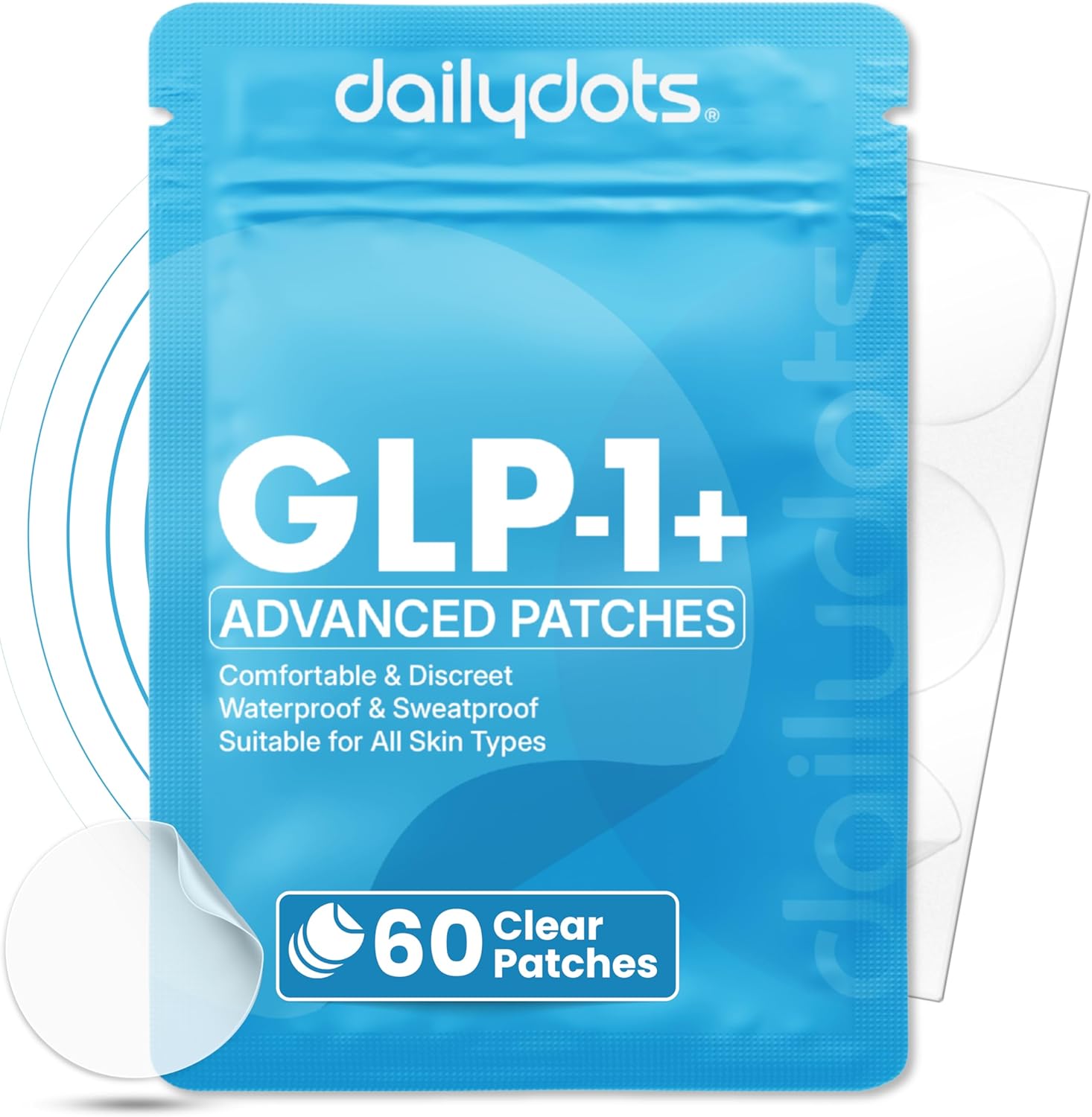
Best Places to Put GLP1 Patches
While each GLP1 patch brand may list slightly different placement options, most product labels mention several commonly used areas that provide comfort and stability during wear.
Outer Upper Arm
The outer upper arm is a frequently mentioned placement area for GLP1 patches. Many users choose it because it offers:
- A smooth and accessible surface
- Protection under clothing
- Stable placement with minimal friction
Lower Abdomen
Many patch labels list the lower abdomen—often just below the navel—as a suitable placement area. Users often prefer this location because it provides:
- A flat surface for adhesive contact
- Little bending or stretching
- Convenient daily access
Upper Thigh
The upper thigh is another simple location for applying GLP1 patches. It can be a good option if you want a spot that is easy to reach and stays covered during the day.
- Easy to reach when applying or removing the patch
- Comfortably covered by clothing
- Generally good for all-day adhesion
Upper Back / Shoulder Area
Some product labels mention the upper back or shoulder region as another placement option. This area is often selected because it offers:
- Minimal movement
- Reduced friction from clothing
- A stable, relatively flat surface
This placement may require help from another person to position the patch accurately.
General Tips for Placing GLP1 Patches
- Follow the label: Always begin with the instructions provided by the brand you are using.
- Use clean, dry skin: Avoid lotions, oils, or heavy creams before applying the patch.
- Press firmly: Hold the patch in place for a few seconds to help the adhesive bond to the skin.
- Avoid irritated areas: Do not apply patches to broken, sunburned, or sensitive skin.
- Rotate areas: If the label suggests rotation, switch between different approved spots over time.
Places to Avoid When Applying GLP1 Patches
- Broken, irritated, or recently shaved skin
- Areas with heavy lotion or oil that may affect adhesion
- Spots where clothing rubs tightly or creates constant friction
- Deep bend points such as the inside of elbows or behind knees
Why GLP1 Patch Placement Is Important
GLP1 patches rely on a consistent adhesive surface to stay in place throughout the day. Choosing a steady, comfortable application area helps the patch:
- Remain flat against the skin
- Avoid lifting or peeling edges
- Stay secure during normal daily activities
If you want to compare today’s different GLP1 patch brands, you can explore our main GLP1 patches comparison page for product formats, ingredients, and package details.
Choosing the Best Spot for Your GLP1 Patch
It’s helpful to pay attention to how each GLP1 patch placement area feels throughout a normal day. Some people prefer spots that remain still during movement, while others choose locations that are easier to reach when applying or removing the patch.
Since GLP1 patches are non-prescription wellness products, the best placement often comes down to comfort, routine, and how well the patch adheres to your skin in different environments. Many users try a few label-approved locations—such as the upper arm, lower abdomen, or thigh—to see which works best for their schedule.
For more GLP1 patch comparisons, visit the GLP1 patch comparison page.
For readers who want general background information on how adhesive patches work, you can browse this neutral overview of transdermal patches. It explains patch formats in a broad, non-medical way.